
Chào mừng đến với blog của chúng tôi
Chúng tôi mang đến cho bạn những mẹo, xu hướng và lời khuyên mới nhất của chuyên gia về mọi thứ liên quan đến móng tay! Cho dù bạn là chuyên gia, sinh viên hay người đam mê hay chỉ muốn cải thiện sức khỏe móng tay, chúng tôi đều có thể giúp bạn.
Hiểu về mức độ Formaldehyde trong tiệm làm móng
Formaldehyde is a naturally occurring chemical compound found in many everyday environments. While it has gained a negative reputation, particularly in the beauty industry, it’s…
Dầu dưỡng biểu bì: Tại sao móng tay 'chết' vẫn rất cần chúng!
We get asked this a lot: “If the nail plate is ‘dead,’ does cuticle oil really work?” It’s a valid question, and the terminology floating…

Lớp phủ không lau: Làm rõ sự nhầm lẫn
We get asked this question a lot: “Do non-wipe top coats really need to be wiped?” With so much conflicting information out there, it’s understandable…
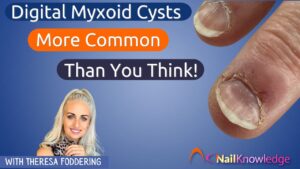
U nang Myxoid kỹ thuật số
Digital Myxoid Cysts: More Common Than You Think Yet Never Educated Upon As a nail professional, you may have come across unusual conditions affecting the…
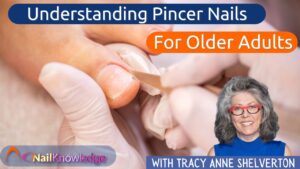
Hiểu về móng kẹp: Chăm sóc móng chân cho người lớn tuổi
Caring for older adults’ nails requires specialized knowledge, as age-related changes in nail and bone health can lead to unique challenges. One such issue is…
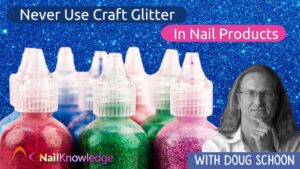
Tại sao bạn không bao giờ nên sử dụng nhũ thủ công trong các sản phẩm làm móng
We get asked this question a lot: “Can I use craft glitter with nail products instead of glitters made specifically for nails? Aren’t they basically…

Sơn móng tay thoáng khí là gì?
What is Breathable Nail Polish, and How Does It Differ from Regular Nail Polish? In recent years, beauty enthusiasts, professionals and marketeers have introduced the…
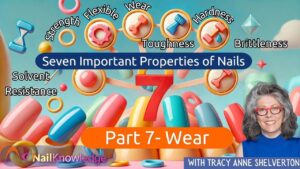
Khả năng chống mài mòn: Tính chất quan trọng thứ bảy của móng tay tự nhiên và nhân tạo
In this final part of our series on the key properties of natural and artificial nails, we focus on wear resistance. Wear refers to the…
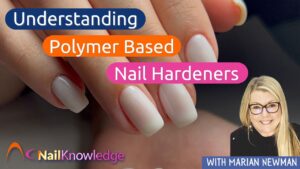
Hiểu về chất làm cứng móng gốc polymer
Modern nail hardeners that use polymers instead of formalin or dimethyl urea function differently but can still offer protective benefits. Here’s a breakdown of how…




 Vietnamese
  English
  Portuguese
  Spanish